Introduction
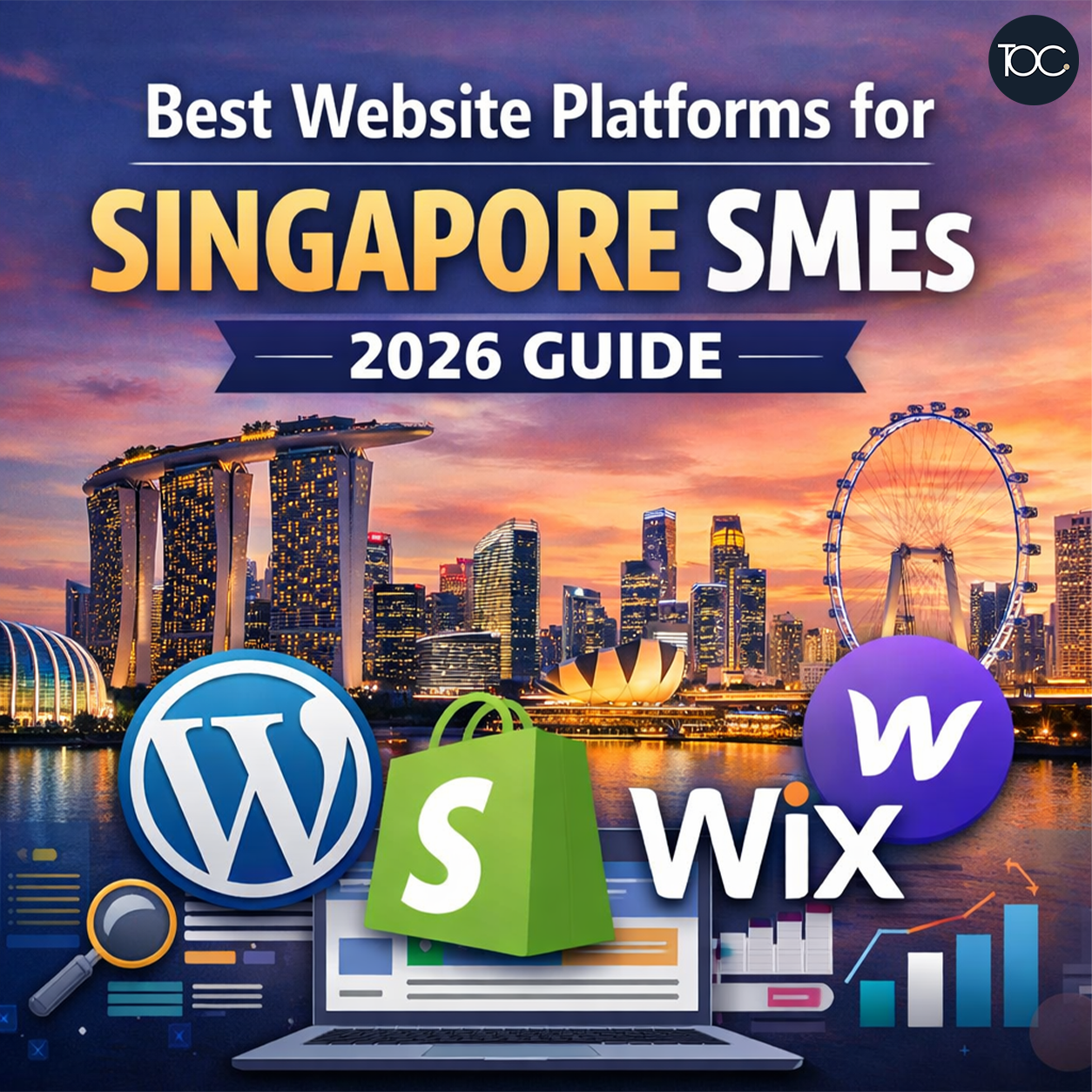
Best website platforms for Singapore small businesses play a crucial role in your online success. Choosing the right platform affects your branding, marketing performance, SEO rankings, and long-term business growth — making it one of the most important decisions for any Singapore business.
With many platforms available today, business owners often ask:
- Should I use WordPress, Wix, or Shopify?
- Which platform is best for SEO?
- Which option is scalable as my business grows?
In this 2026 guide, we compare the most popular website platforms used by Singapore SMEs and explain which works best depending on your business goals.
Table of Content
1. Why Choosing the Right Website Platform Matters
A website platform determines:
- How flexible your website can be
- Your ability to rank on Google
- Website speed and performance
- Future upgrade possibilities
- Maintenance and security requirements
- Long-term costs
Many businesses choose based on convenience first — then realise later that limitations affect growth.
2. Top 4 Best Website Platforms for Singapore Small Businesses in 2026
2.1. WordPress (Best Overall for Business Websites)
WordPress powers more than 40% of websites globally and is widely used by professional businesses in Singapore.
Best for:
- Corporate websites
- Service businesses
- SMEs planning long-term growth
- SEO-focused websites
- Custom functionality needs
Advantages
- Highly flexible and scalable
- Strong SEO capabilities
- Full ownership of website
- Thousands of professional plugins
- Customisable design
- Suitable for future expansion
Considerations
- Requires proper setup and maintenance
- Best managed by experienced professionals
👉 WordPress is ideal for businesses that want a professional, scalable website instead of a temporary solution.
2.2. Wix (Beginner-Friendly Option)
Wix is known for its drag-and-drop simplicity and quick setup.
Best for:
- Very small businesses
- Personal websites
- Temporary starter sites
Advantages
- Easy to use
- Fast setup
- No technical knowledge required
Limitations
- Limited scalability
- SEO flexibility is restricted
- Harder to migrate later
- Less professional customisation
Many businesses eventually outgrow Wix when marketing needs increase.
2.3. Shopify (Best for Pure Ecommerce)
Shopify is designed specifically for online stores.
Best for:
- Product-focused ecommerce businesses
- Retail brands selling online
Advantages
- Built-in ecommerce tools
- Secure payment integration
- Easy inventory management
Limitations
- Monthly subscription costs
- Transaction fees
- Less flexibility outside ecommerce
For businesses needing content marketing or service pages, additional customization may be required.
2.4. Webflow (Design-Focused Platform)
Webflow is popular among designers for visually advanced websites.
Best for:
- Design-heavy brand websites
- Creative portfolios
Advantages
- Modern visual design control
- Clean frontend output
Limitations
- Steeper learning curve
- Higher maintenance complexity
- Limited ecosystem compared to WordPress
3. Why Many Singapore Businesses Choose WordPress
As businesses grow, they often require:
- Better Google rankings
- Faster website performance
- Lead generation tools
- Integration with marketing systems
- Custom functionality
WordPress allows businesses to expand without rebuilding their website from scratch.
Instead of being locked into a platform, businesses maintain full control over their website and hosting environment.
4. When WordPress Is the Best Choice
WordPress is especially suitable if you:
- Want a professional business website
- Plan to invest in SEO
- Need flexibility for future upgrades
- Require customised features
- Want long-term cost efficiency
5. When Other Platforms May Work
You may consider alternatives if:
- You need a very quick temporary website
- You only sell products online with minimal content
- You prefer a fully DIY approach
However, many SMEs eventually migrate to WordPress once their business expands.
6. How to Choose the Right Platform for Your Business
Before deciding, ask yourself:
- Will my business grow in the next 2–3 years?
- Do I want to rank on Google?
- Will I need new features later?
- Do I want full ownership of my website?
- Is long-term flexibility important?
Your answers usually indicate whether a scalable platform is necessary.
7. Final Thoughts
There is no single platform suitable for every business — but for most Singapore SMEs looking for long-term growth, flexibility, and professional performance, WordPress remains one of the most reliable solutions available.
Choosing the right platform early helps avoid costly redesigns and ensures your website can support your business as it evolves.
8. Frequently Asked Questions
8. Frequently Asked Questions
9. Ready to take your small business online with the right website platform?
Contact us today for a free consultation and find the perfect solution for your 2026 growth goals.